In today’s global supply chain, the safe delivery of products is essential for business success. Every shipment faces risks—from handling errors and rough transportation to environmental factors like moisture and pressure. One of the most common areas of damage in packaging is at the edges and corners of products, which are more susceptible to impacts, compression, and abrasion.
This is where edge and corner protection plays a critical role. Using the right materials and applying best practices can not only prevent product damage but also enhance efficiency, reduce costs, and strengthen customer satisfaction. In this blog, we’ll explore how businesses can maximize shipment safety by adopting smart protection strategies.
Why Edge and Corner Protection Is Essential
Vulnerable Areas: Corners and edges are the first to be damaged during stacking, transport, and unpacking.
Costly Repairs: Damaged goods often lead to returns, replacements, and reputational damage.
Operational Delays: Repacking or product loss can cause significant delays in supply chains.
Customer Trust: Delivering damaged goods impacts brand reliability and customer experience.
Investing in the right protection not only safeguards products but also boosts the overall resilience of your logistics operations.
Best Practices for Using Edge and Corner Protection
1. Assess Your Product’s Needs
Not every shipment requires the same level of protection. Analyze factors like:
Product weight and fragility
Distance and mode of transport
Handling conditions
Environmental exposure
For heavier or more delicate items, reinforced solutions like laminated Corner Boards are ideal, whereas lighter items may only need edge protectors.
2. Use the Right Materials
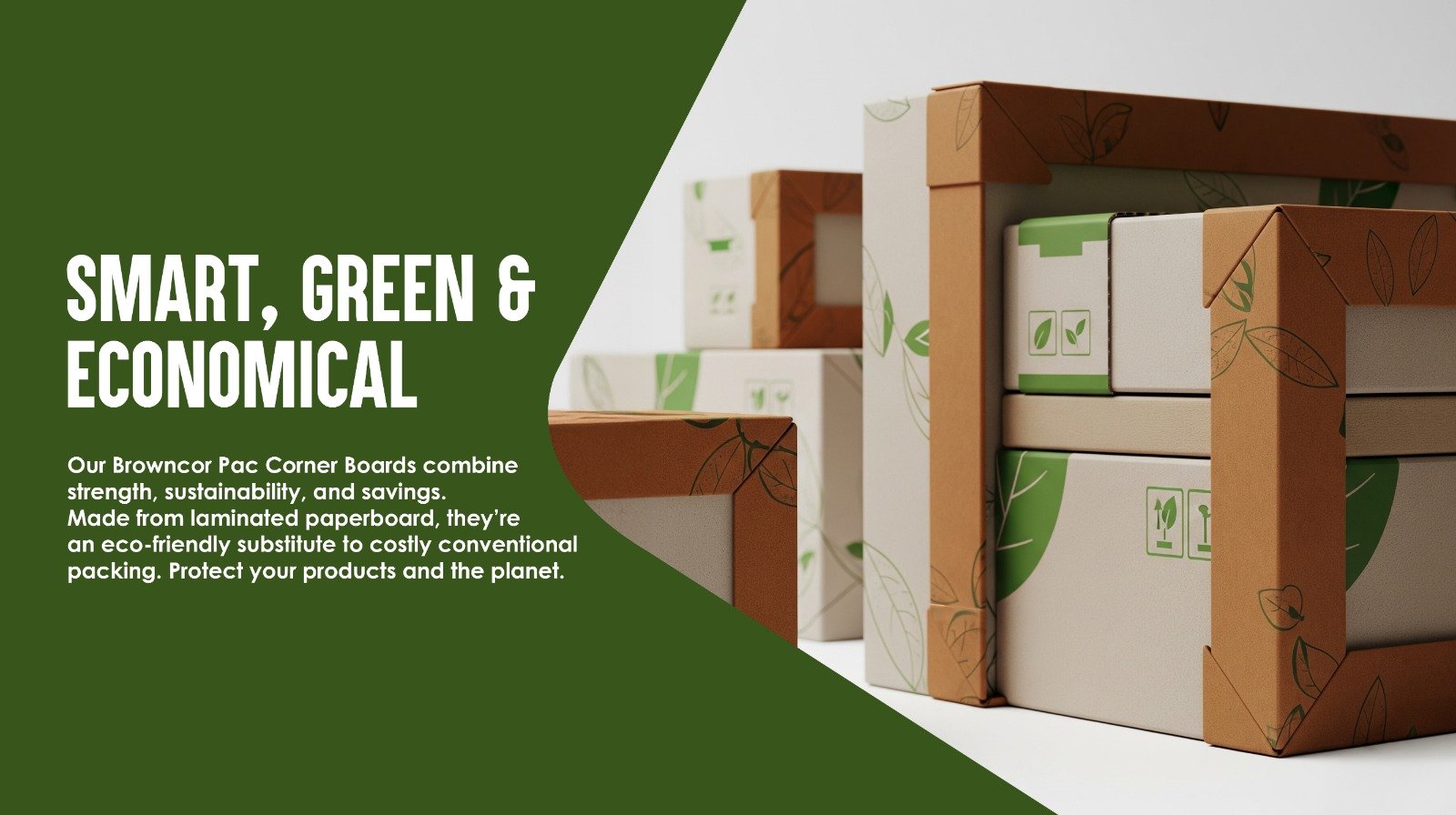
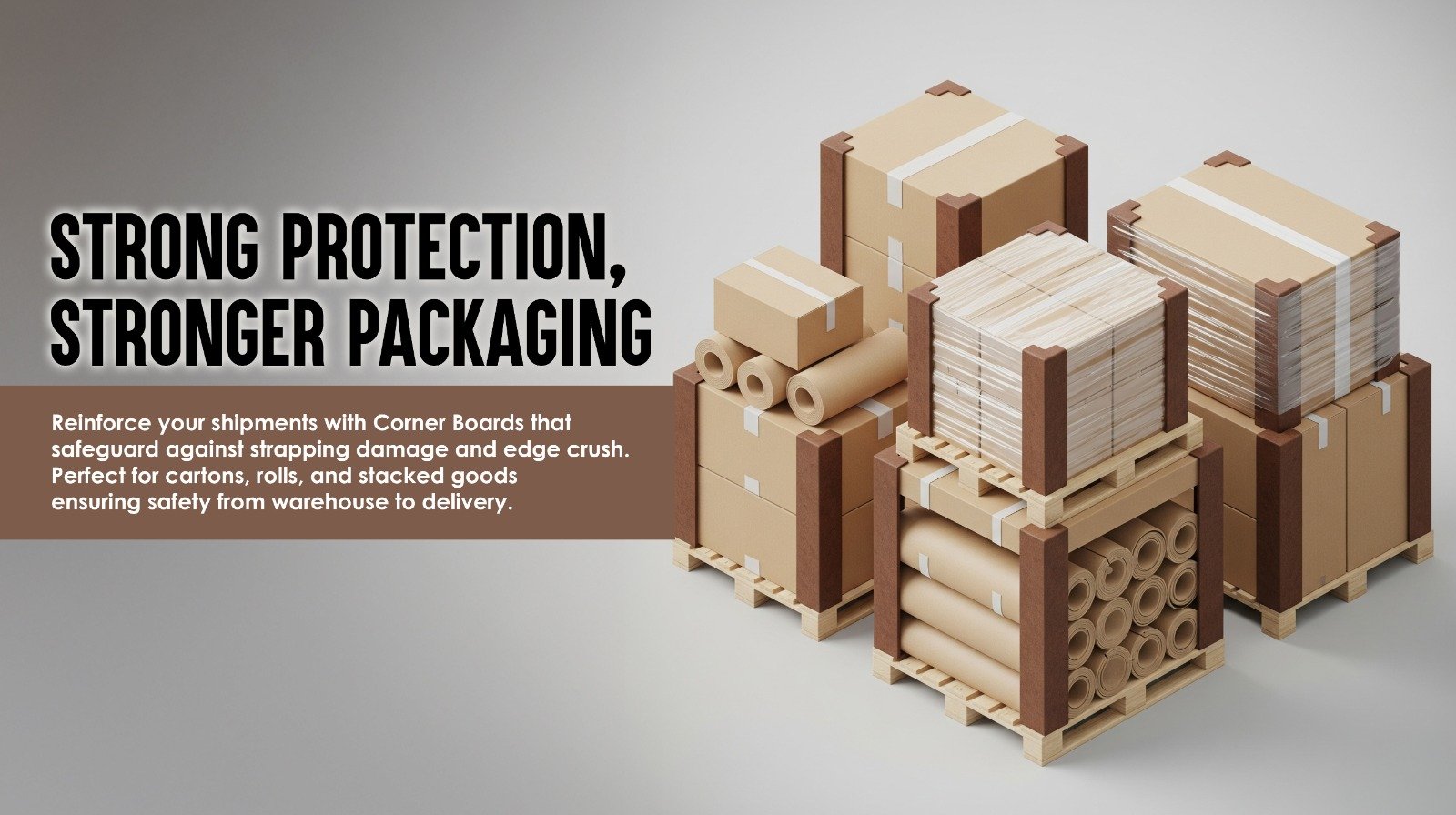
✔ Corner Boards – Ideal for heavy-duty protection at vulnerable corners.
✔ Edge Protectors – Shield edges from abrasions and strapping damage.
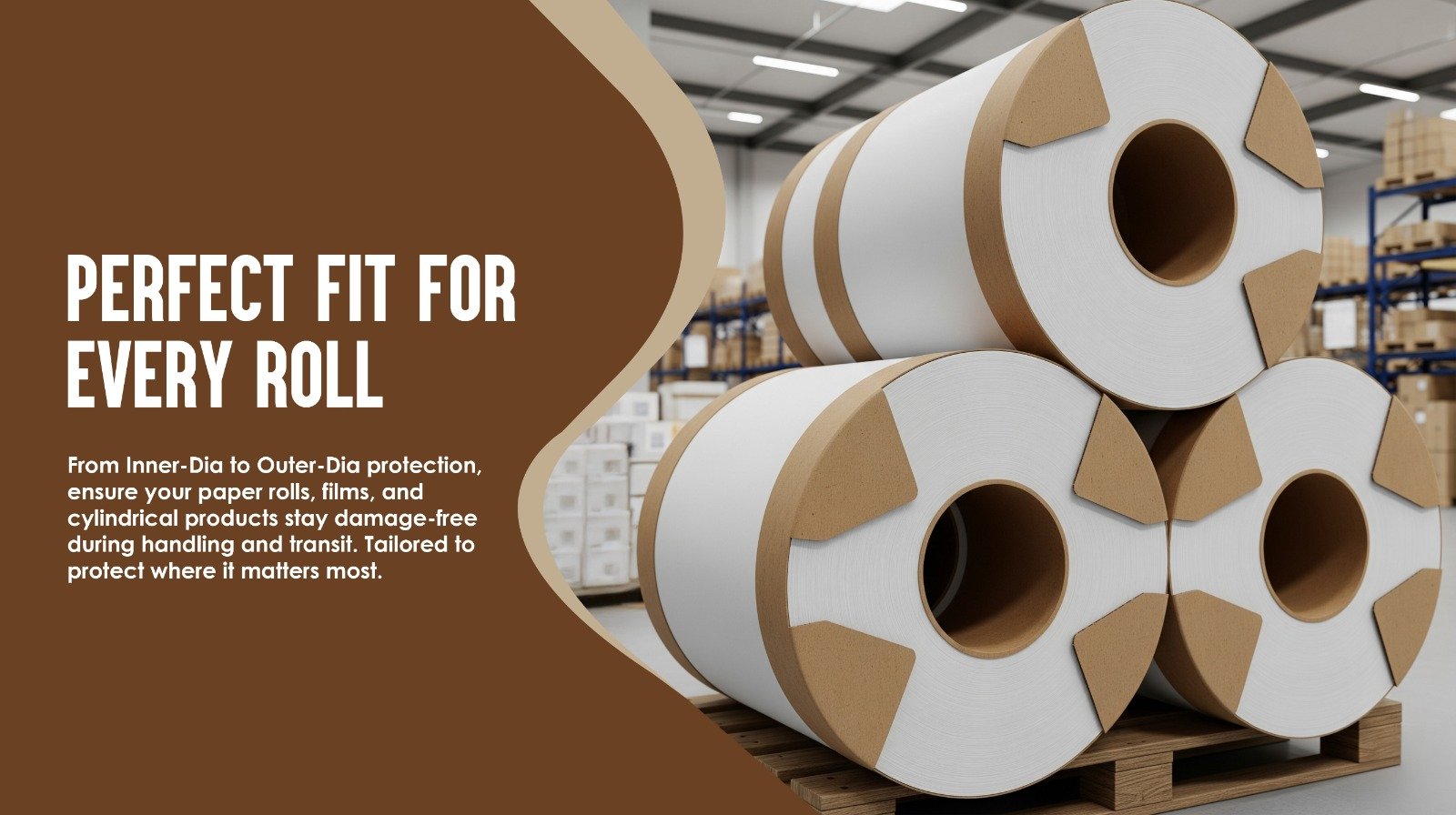
✔ Inner-Dia and Outer-Dia Protection – Provide cushioning from both internal and external pressure.
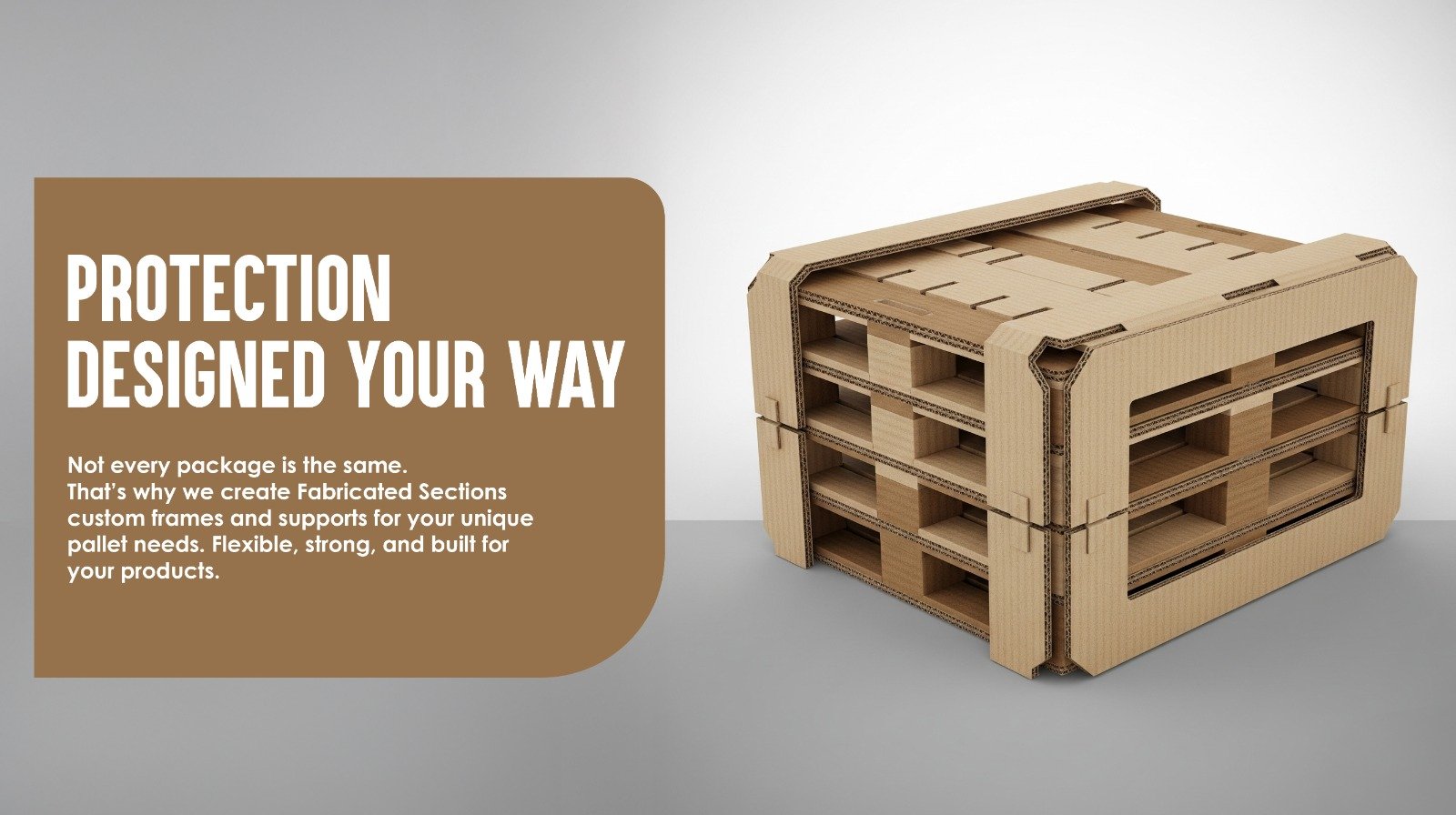
✔ Fabricated Sections – Custom frames designed for irregular or oversized products.
Choosing materials based on the specific type of product and its shipping journey ensures optimal protection without overpacking.
3. Ensure Proper Installation
Correct placement and securing of edge and corner protection is as important as choosing the right materials:
Align protectors at corners and edges without gaps.
Ensure strapping or wrapping does not cut into the packaging.
Avoid over-tightening straps that may damage the protective layers.
Training packing teams on proper installation techniques will reduce human error and enhance safety.
4. Customize Where Necessary
Standard protection solutions may not fit every product. Tailored solutions can address specific challenges:
Irregular shapes or oversized pallets
High-risk items requiring multiple layers of protection
Moisture-prone goods needing water-resistant materials
Consult with packaging experts to design solutions that meet your unique needs.
5. Monitor and Review Packaging Performance
Regular audits of packaging effectiveness can highlight areas of improvement:
Track damages and returns related to transit
Identify recurring weak points in packaging
Solicit feedback from handlers and customers
Continuous improvement ensures that your protection strategies evolve with your business.
Sustainability and Cost-Efficiency Go Hand in Hand
Modern logistics demands not only robust packaging but also eco-friendly solutions. Many edge and corner protection materials, like laminated paperboard Corner Boards, are fully recyclable and reduce reliance on plastic and metal alternatives.
By choosing sustainable materials, businesses benefit from:
Lower environmental impact
Compliance with packaging regulations
Enhanced brand reputation
Long-term cost savings by minimizing product loss