In logistics, shipping, and storage, protecting your products from damage is a top priority. Whether you’re sending delicate electronics, heavy machinery, or bulk goods, proper edge and corner protection plays a vital role in maintaining product integrity throughout the supply chain. With so many options available, choosing the right protection solution for your business can be overwhelming.
In this blog, we’ll guide you through the key factors to consider when selecting edge and corner protection products, explain the benefits of each option, and help you make informed decisions that safeguard your shipments while optimizing cost, efficiency, and sustainability.
Why Edge and Corner Protection Matters
The edges and corners of packaged products are particularly vulnerable during handling, transport, and storage. Impacts, pressure from stacking, and movement within containers can easily cause dents, fractures, or deformation. Edge and corner protectors are specifically designed to:
✔ Absorb shocks and prevent damage
✔ Distribute pressure evenly across surfaces
✔ Maintain packaging integrity
✔ Enhance load-bearing capacity
✔ Reduce waste and product returns
Choosing the right protection is essential for reducing shipping losses, improving customer satisfaction, and cutting unnecessary costs.
Key Types of Edge and Corner Protection
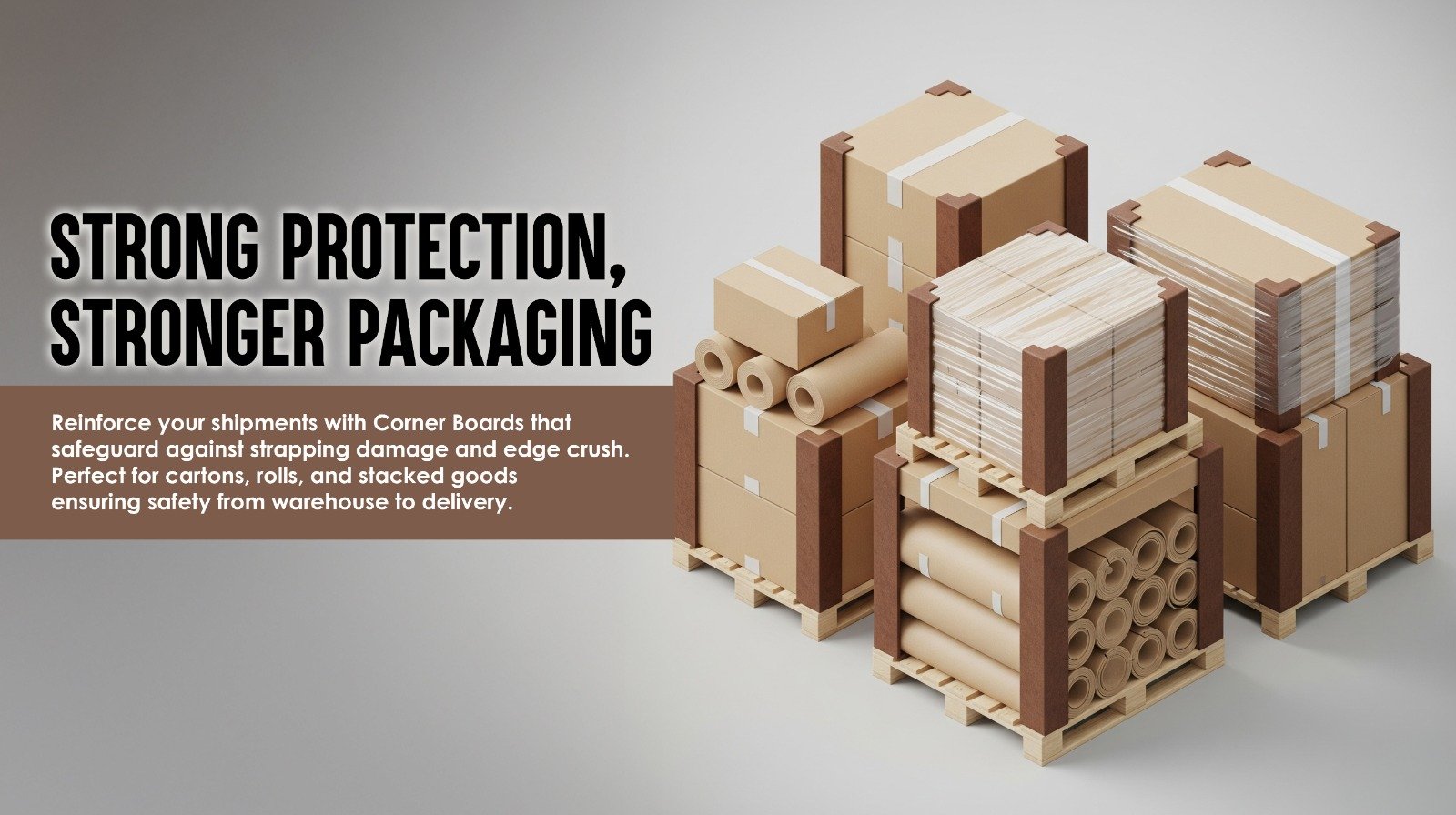
1. Corner Boards (CB)
Corner Boards are made from multiple layers of laminated paperboard, providing exceptional strength and rigidity. They are ideal for reinforcing product corners and are widely used across industries for their cost-effectiveness and sustainability. Corner Boards can be customized in size and thickness to fit specific packaging needs.
Best for: Heavy cartons, stacked pallets, sensitive or high-value items.
2. Edge Protectors (EP)
Edge Protectors shield the edges of products from cuts, abrasions, and strapping damage. They help keep packaging materials intact and secure during transit.
Best for: Bundled items, strapped goods, and products exposed to rough handling.
3. Inner-Dia Protection (ID)
Designed to wrap around the inside edges of packages, Inner-Dia protection cushions vulnerable areas and prevents internal wear during transport.
Best for: Items with sharp edges or uneven surfaces that need interior reinforcement.
4. Outer-Dia Protection (OD)
Outer-Dia protection guards the outer edges, ensuring the external structure of packaging remains strong. It’s especially useful for bulk items that are stacked or handled frequently.
Best for: Pallet shipments, industrial products, and bulk packaging.
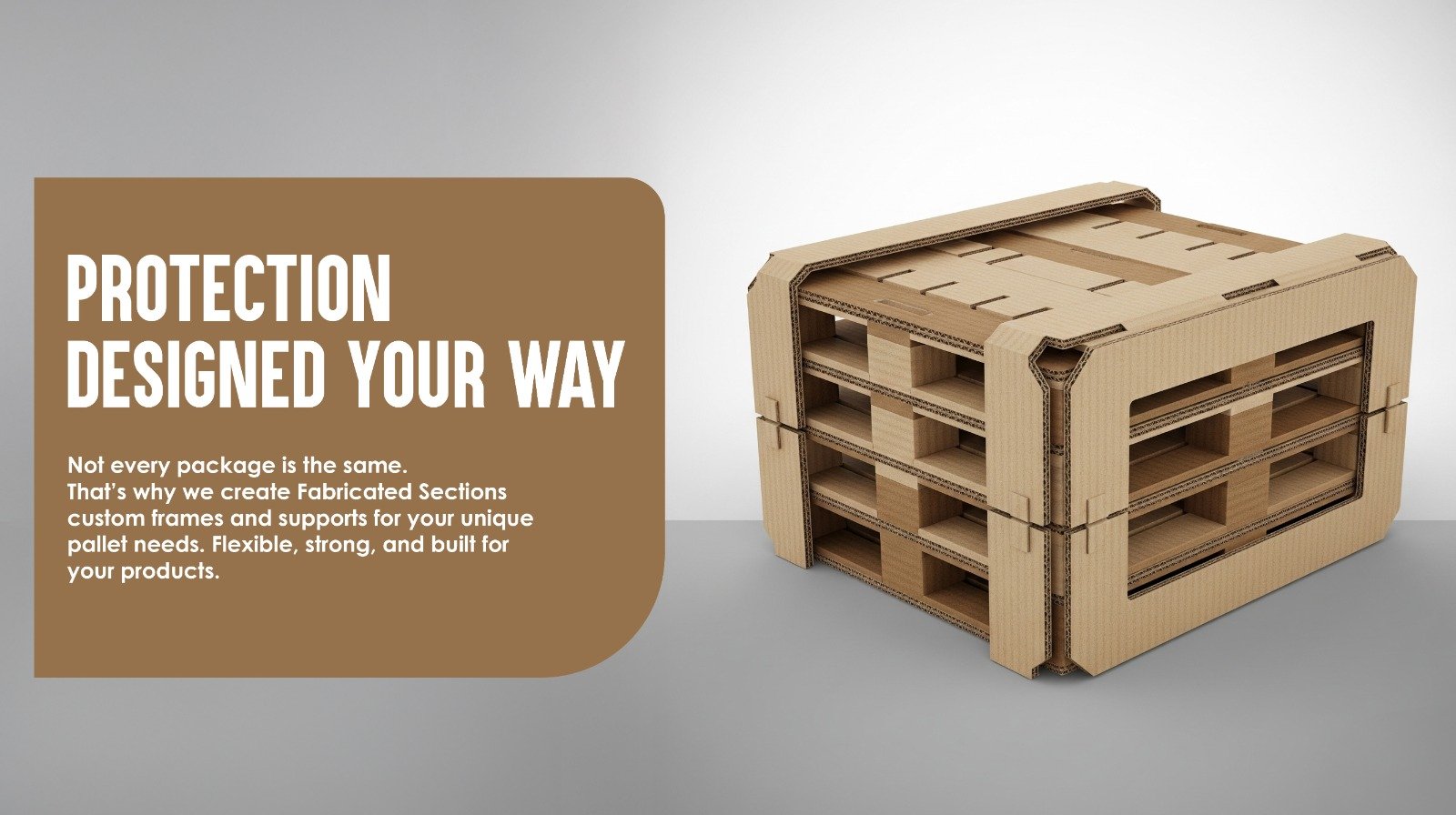
5. Fabricated Sections (FS)
These are custom frames built to support the structure of specific items or pallets. They provide tailored protection where standard solutions may not fit.
Best for: Specialized equipment, irregularly shaped products, or high-value shipments requiring unique packaging.
Factors to Consider When Choosing Edge and Corner Protection
1. Product Type and Fragility
Identify how delicate or heavy your products are. Fragile items like glass or electronics require stronger cushioning, while sturdy products may need lighter protection.
2. Shipping Conditions
Consider the route, distance, and mode of transportation. Long-haul shipments or rough handling require enhanced protection.
3. Environmental Responsibility
Choose materials that are recyclable or biodegradable to align with sustainability goals and reduce environmental impact.
4. Cost vs. Benefit
While some materials may have a higher upfront cost, they can save money by reducing product damage and returns in the long run.
5. Customization Needs
Certain products require tailored solutions. Work with suppliers who can provide custom sizes, shapes, and thicknesses.
Benefits of Choosing the Right Protection
✔ Reduced Product Damage – Minimize losses during transit and handling.
✔ Improved Customer Satisfaction – Deliver products in perfect condition, enhancing trust.
✔ Lower Operational Costs – Avoid expensive replacements and delays.
✔ Eco-Friendly Packaging – Support sustainable business practices.
✔ Enhanced Supply Chain Efficiency – Streamline shipping and storage processes.